
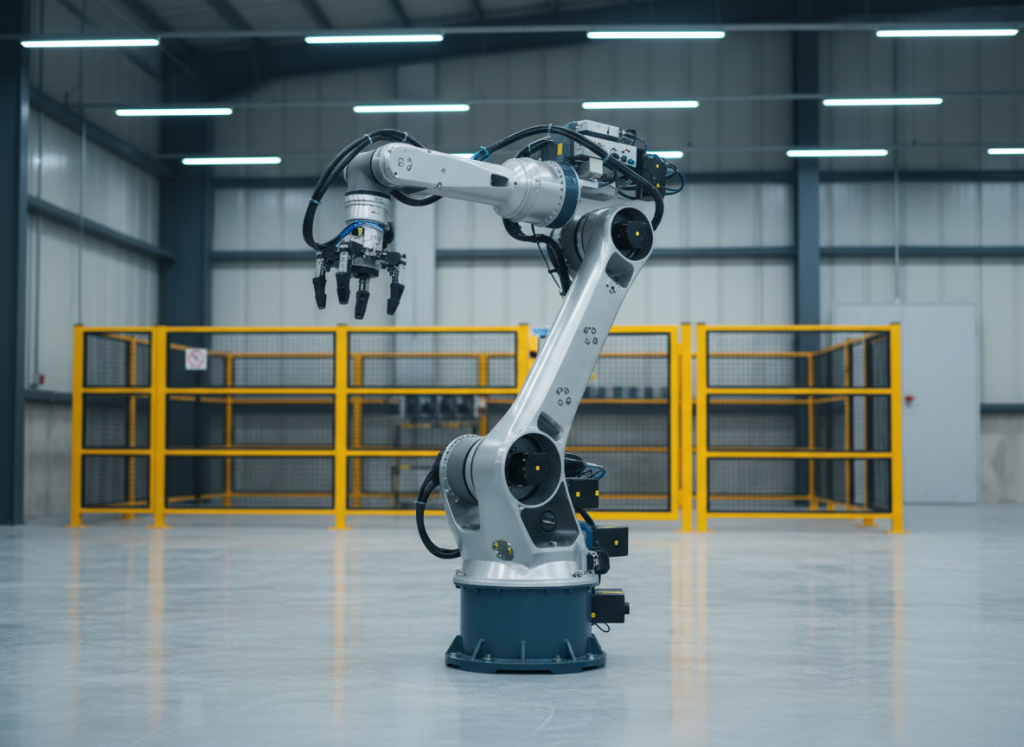
Understanding 6-Axis Industrial Robots: The Backbone of Modern Automation
Industrial automation has transformed the way manufacturers approach production, efficiency, and scalability. At the center of many automated systems is one of the most versatile tools in modern manufacturing: the 6-axis industrial robot.
From palletizing and welding to assembly and material handling, 6-axis robots are used across countless industries to automate repetitive tasks, improve precision, and support continuous production. Their flexibility and range of motion make them one of the most widely adopted robotic solutions in industrial environments today.
As labor shortages, production demands, and quality expectations continue to increase, manufacturers are turning to robotic automation not only to improve efficiency, but also to build more reliable and scalable operations for the future.
What Is a 6-Axis Industrial Robot?
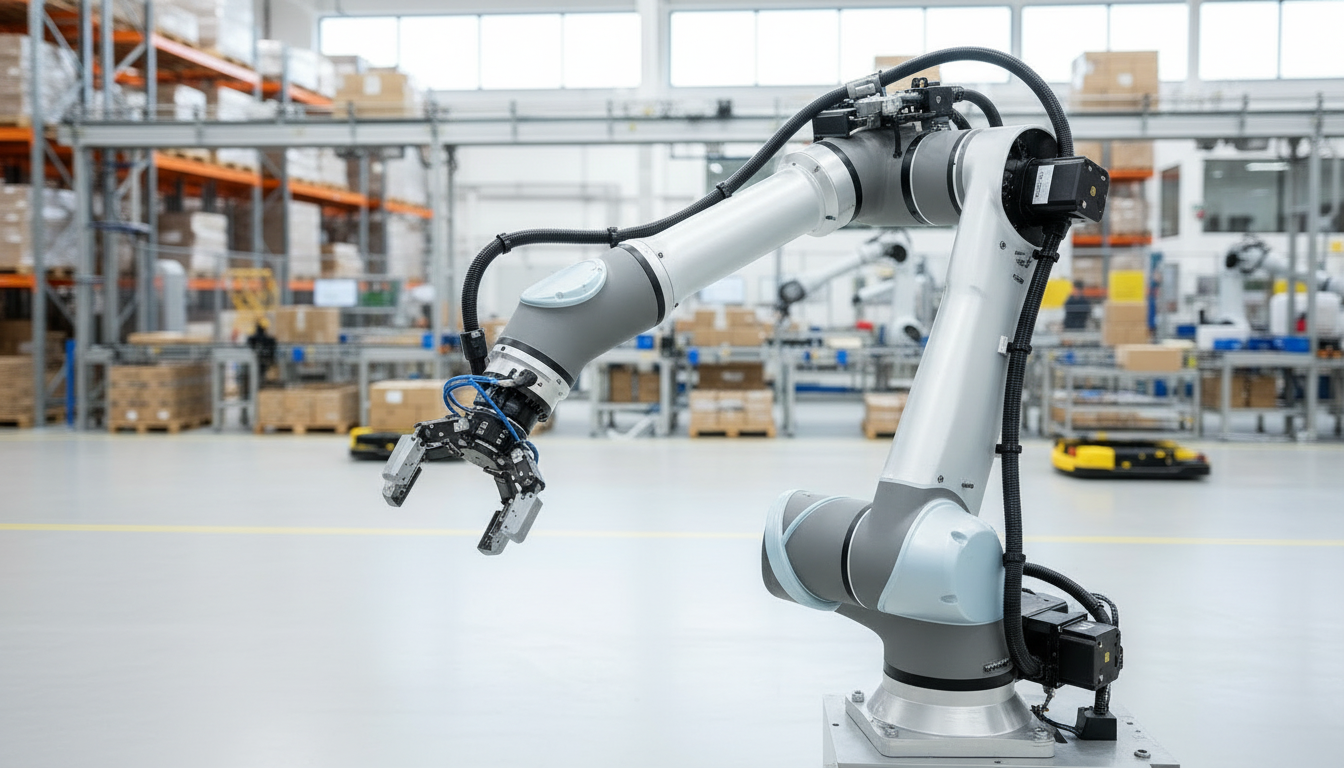
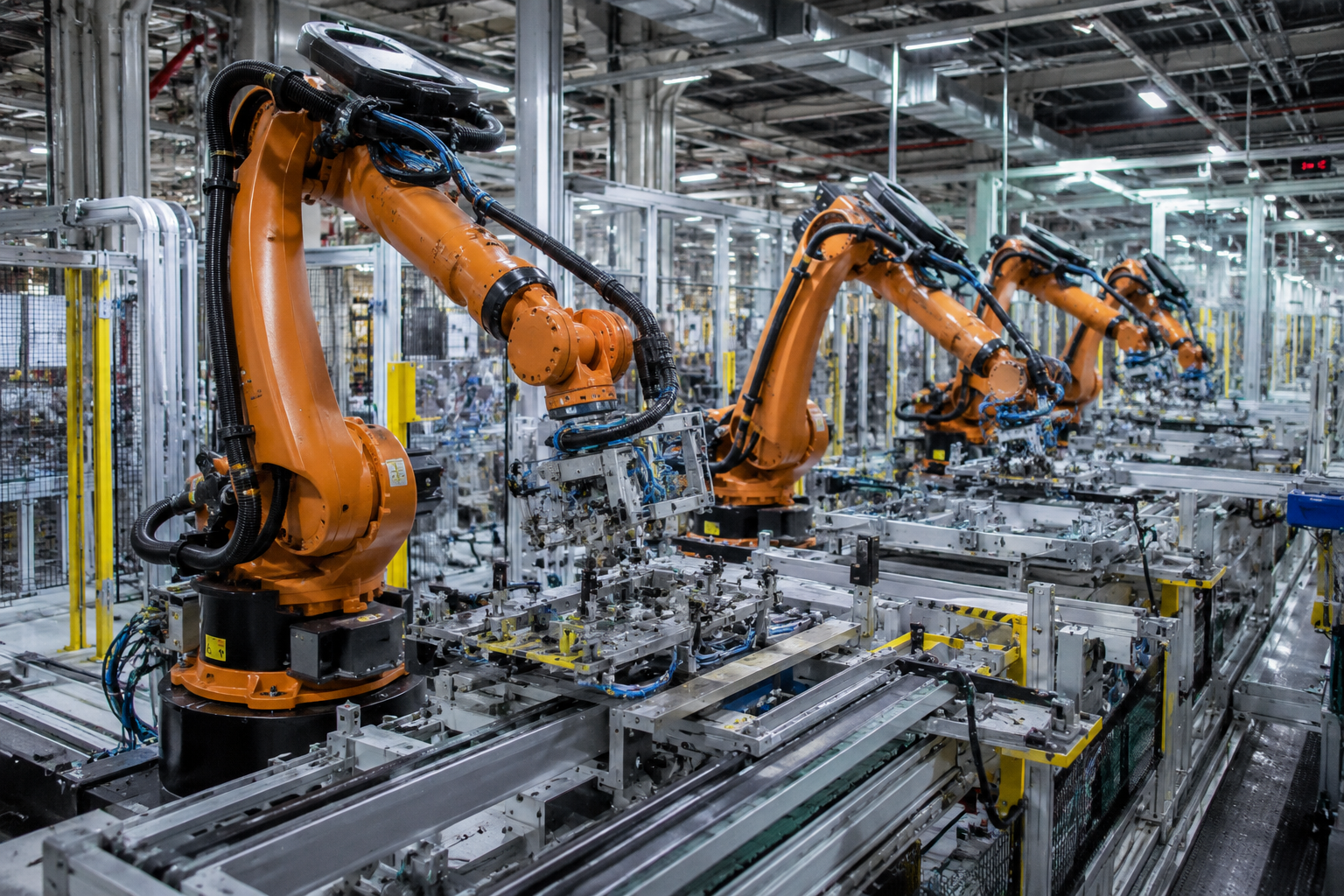
A 6-axis industrial robot is a robotic arm designed with six independently controlled points of movement, or “axes.” These axes allow the robot to move in multiple directions and orientations, closely mimicking the movement of a human arm.
The six axes typically include:
- Base rotation
- Shoulder movement
- Elbow movement
- Wrist pitch
- Wrist yaw
- Wrist roll
Together, these movements allow the robot to reach around obstacles, rotate parts, access difficult angles, and perform highly precise tasks within a defined work envelope.
Because of this flexibility, 6-axis robots are commonly used in applications where simple linear movement is not enough. They excel in dynamic environments requiring adaptability, repeatability, and precise motion control.
Why 6-Axis Robots Are So Widely Used
One of the primary advantages of a 6-axis robot is versatility. Unlike fixed automation systems designed for a single motion path, a 6-axis robot can be programmed to perform a wide range of tasks with minimal mechanical changes.
This flexibility allows manufacturers to automate multiple processes using the same robotic platform, including:
- Material handling
- Palletizing and depalletizing
- Machine tending
- Packaging operations
- Assembly applications
- Welding
- Inspection processes
- Pick-and-place operations
For manufacturers looking to improve efficiency while maintaining production flexibility, 6-axis robots provide a strong long-term solution.
Key Benefits of 6-Axis Industrial Robots
Increased Productivity
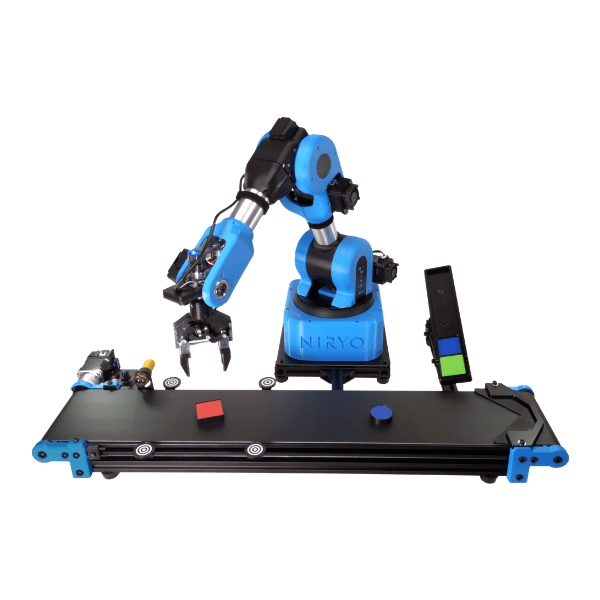
Industrial robots can operate continuously with consistent cycle times, helping facilities increase throughput and reduce production bottlenecks.
Unlike manual processes, robots do not experience fatigue or performance variation during repetitive tasks. This allows production lines to maintain stable output over long operating periods, including multi-shift or 24/7 environments.
By automating repetitive handling and transfer tasks, operators can be reassigned to higher-value responsibilities that require human decision-making and oversight.
Improved Precision and Repeatability
Consistency is critical in manufacturing. Even small variations in placement or alignment can lead to product defects, rework, or downstream process issues.
6-axis robots are designed for high repeatability, allowing them to perform the same movement thousands of times with minimal deviation. This level of precision is especially important in industries such as electronics, automotive manufacturing, and precision assembly.
Robotic systems can also integrate vision systems and sensors to further improve positioning accuracy and quality verification throughout the process.
Workplace Safety Improvements
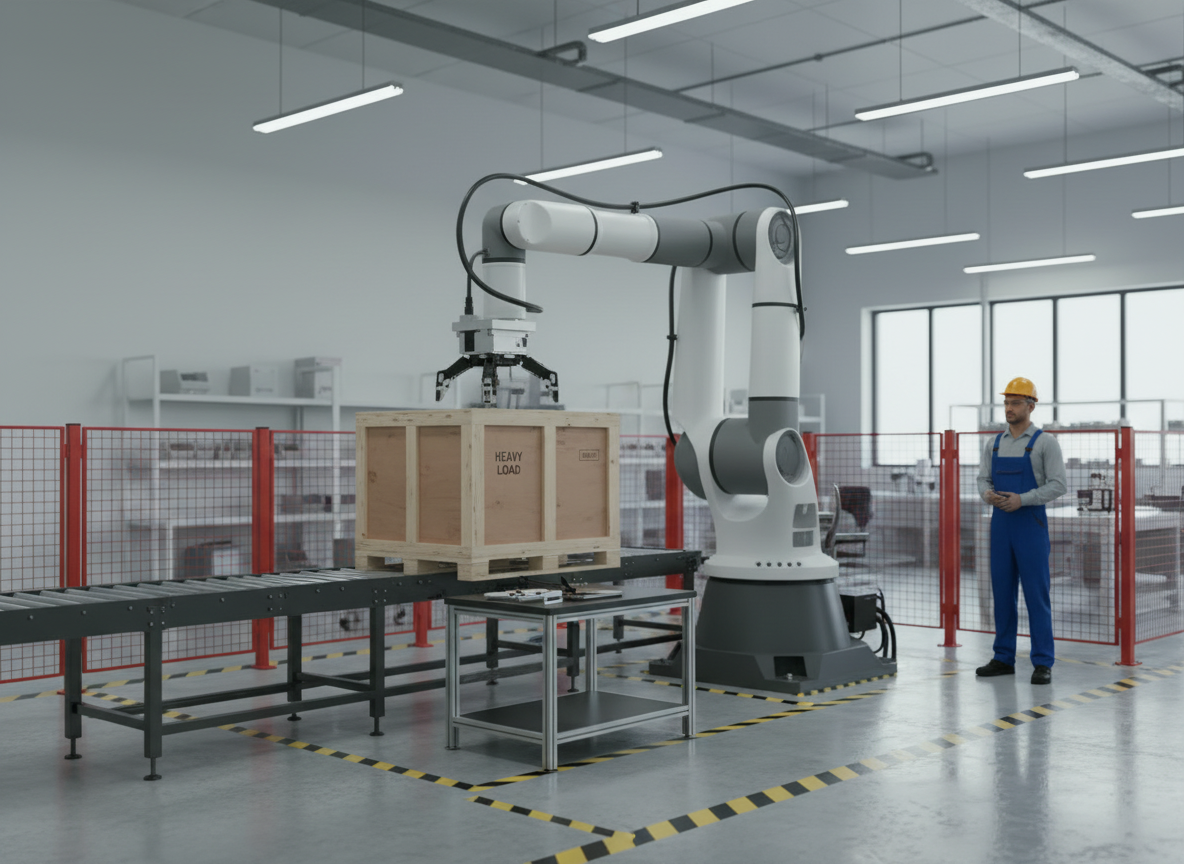
Many industrial tasks involve repetitive motion, heavy lifting, or potentially hazardous working conditions. Automating these processes can significantly reduce worker strain and improve overall workplace safety.
Robots are commonly used to handle:
- Heavy products or pallets
- Sharp or hot materials
- Repetitive lifting tasks
- High-speed production operations
- Hazardous manufacturing environments
Reducing direct operator exposure to these conditions helps lower the risk of workplace injuries while improving long-term operational stability.
Flexibility and Scalability
Modern production environments require flexibility. Product lines change, packaging formats evolve, and production demands fluctuate throughout the year.
6-axis robots can be reprogrammed for new applications without requiring complete mechanical redesigns. This makes them ideal for facilities that need adaptable automation capable of supporting future growth.
Many systems are also designed with scalability in mind, allowing additional robots, conveyors, or workstations to be added as production requirements increase.
Common Applications for 6-Axis Robots
Material Handling
Material handling is one of the most common uses for industrial robots. Robots can move products between conveyors, machines, assembly stations, and packaging lines with speed and precision.
Automated handling reduces manual labor while improving consistency and product flow throughout the facility.
Palletizing and Depalletizing
6-axis robots are frequently used for palletizing and depalletizing operations because of their ability to handle multiple product sizes and pallet configurations.
Robotic palletizing systems can create stable, repeatable pallet patterns while operating at high throughput rates. Depalletizing systems efficiently unload products and feed them into downstream production lines.
Machine Tending
Machine tending applications involve loading and unloading CNC machines, presses, molding equipment, or other production machinery.
Robots improve efficiency by maintaining consistent cycle timing and reducing machine idle time. They can also operate in environments where heat, debris, or repetitive handling make manual operation less ideal.
Assembly Operations
In assembly applications, robots can position, fasten, sort, or align components with high precision.
These systems are often integrated with vision systems and inspection technologies to ensure assembly accuracy and maintain product quality standards.
Packaging and Kitting
Robotic systems are widely used for automated packaging and kitting operations. Products can be picked, sorted, assembled into kits, and packaged for shipment with minimal manual involvement.
Automation improves order accuracy while increasing production consistency and throughput.
EOAT: The Importance of End-of-Arm Tooling
A robot is only as effective as the tooling attached to it. End-of-arm tooling (EOAT) is the component mounted to the robot wrist that interacts directly with the product.
EOAT solutions may include:
- Vacuum grippers
- Mechanical grippers
- Magnetic tooling
- Servo-driven tooling
- Custom multi-function grippers
Tooling design plays a major role in cycle time, handling reliability, and product protection. In many applications, custom EOAT is developed specifically for the product being handled.
Advanced systems may also include automatic tool changers, allowing a single robot to perform multiple operations using different tooling configurations.
Integration with Existing Production Lines
One concern many manufacturers have when considering automation is whether robotic systems can integrate with existing equipment and workflows.
Modern 6-axis robotic systems are designed specifically for integration into real production environments. They can communicate directly with:
- Conveyors
- Packaging equipment
- PLC control systems
- Vision systems
- Inspection stations
- Warehouse management systems
This allows manufacturers to improve efficiency without completely rebuilding their operations from scratch.
Automation integrators typically design systems around existing workflows, available floor space, and production requirements to minimize disruption during implementation.
Industries Using 6-Axis Industrial Robots
6-axis robots are now used across nearly every major manufacturing industry.
Common industries include:
- Food and beverage
- Agriculture and egg processing
- Consumer packaged goods (CPG)
- Automotive manufacturing
- Electronics
- Pharmaceuticals
- Warehousing and logistics
- Industrial manufacturing
Their adaptability makes them valuable in both high-volume production facilities and smaller operations seeking flexible automation solutions.
The Future of Industrial Robotics
Industrial robotics continues to evolve rapidly as manufacturers seek greater efficiency, data visibility, and operational flexibility.
Modern robotic systems increasingly incorporate:
- Artificial intelligence
- Advanced vision systems
- Real-time production analytics
- Collaborative robotics
- Predictive maintenance capabilities
- Remote monitoring and diagnostics
As these technologies continue to develop, 6-axis robots will remain a foundational component of modern automation systems.
Their combination of flexibility, precision, and scalability makes them one of the most effective tools available for improving manufacturing performance and supporting long-term operational growth.
Final Thoughts
6-axis industrial robots have become essential tools in modern manufacturing and material handling environments. Their ability to automate repetitive tasks, improve consistency, and integrate into existing production lines makes them a valuable investment for companies seeking greater efficiency and scalability.
Whether used for palletizing, assembly, machine tending, packaging, or material handling, robotic automation helps facilities improve throughput, reduce labor dependency, and maintain reliable production performance in increasingly competitive industries.
As automation technology continues to advance, manufacturers that invest in flexible robotic systems today will be better positioned to adapt, scale, and compete in the future.